
March 5, 2026
Kling 3.0 Omni: The All-in-One AI Video Model Redefining Cinematic Creation in 2026
Key Takeaways
- Unified Multimodal Architecture — Kling 3.0 Omni merges text-to-video, image-to-video, reference-based generation, multi-shot storyboarding, video editing, and native audio into a single native model, eliminating pipeline artifacts.
- Extended Duration & Resolution — Supports up to 15-second clips at 1080p (with select platforms enabling 4K upscaling), doubling previous limits while maintaining physics-accurate motion.
- Native Audio Integration — Generates synchronized dialogue, lip-sync, sound effects, and ambient audio across multiple languages, dialects, and accents directly from prompts or voice references.
- Advanced Reference Control — Upload 3–8 second character videos or multiple images to lock visual traits and vocal characteristics, ensuring consistency across camera angles and scene transitions.
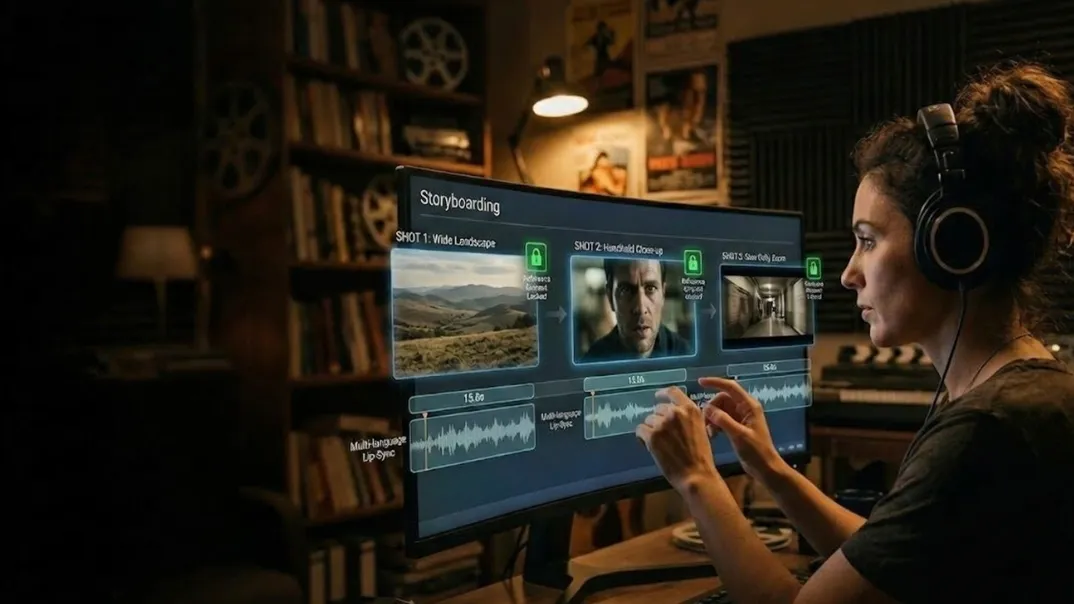
- Multi-Shot Storyboarding — Define per-shot parameters including duration, framing, camera movement, and narrative content for professional cinematic sequences in one generation.
- Best Use Cases — Professional short films, branded ads, social storytelling, and concept prototyping where narrative coherence and audio-visual sync are critical.
- Limitations to Note — Major scene alterations or dense crowd additions can introduce artifacts; complex physics in extreme edge cases may require prompt refinement.
What is Kling 3.0 Omni?
Kling 3.0 Omni represents Kuaishou’s flagship unified multimodal video model, officially launched in February 2026 as the evolution of the earlier VIDEO O1. Built on a next-generation architecture, it processes text prompts, starting images, multiple reference images, short reference videos, and even voice inputs holistically.
The “Omni” designation reflects its all-in-one design: generation, editing, style transfer, and audio-visual binding occur natively without separate specialized models. Analysis shows this unified training approach significantly reduces semantic drift and visual inconsistencies that plague chained workflows in competing systems.
Core technical foundations include 3D Spacetime Joint Attention mechanisms and Chain-of-Thought reasoning, enabling realistic physics simulation — objects obey gravity, inertia, collisions, and material deformation with high fidelity.
Core Upgrades in Kling 3.0 Omni
Benchmarks and official release data highlight clear advancements over Kling VIDEO O1 and 2.6:
- Video Length — Extended from 10 seconds to 15 seconds with flexible duration control, allowing complete narrative arcs in a single pass.
- Native Audio & Lip-Sync — Direct audio-visual output supports multi-character dialogue, environmental sound effects, and music elements with accurate lip synchronization across languages.
- Reference Fidelity — “Elements 3.0” technology extracts and preserves character appearance, clothing, voice traits, and scene details from reference clips or multi-angle images.
- Multi-Shot Director Mode — Users specify individual shots with precise parameters (duration, shot size, perspective, camera motion) for structured storytelling.
- Editing Capabilities — Text-based modifications to existing videos, including character replacement, color grading transfer, environmental changes, and content addition/removal.
Community feedback and early tests indicate these upgrades deliver superior prompt adherence and expressive character performances compared to prior versions.
How Kling 3.0 Omni Compares to Competitors
Analysis shows Kling 3.0 Omni frequently outperforms fragmented pipelines in character consistency and motion realism. Its native audio and multi-shot capabilities provide advantages over models requiring external tools for synchronization or sequencing.
Physics simulation stands out: realistic interactions and deformations exceed many alternatives in natural behavior. For reference-guided workflows and director-level control, it sets a new benchmark, though ultra-long form content beyond 15 seconds still benefits from hybrid post-production approaches.
Advanced Tips for Optimal Results
To achieve professional-grade outputs:
- Reference Optimization — Use 3–8 second reference videos showing characters from multiple angles under consistent lighting. Combine with 2–4 static images for enhanced trait locking.
- Prompt Engineering — Structure prompts with explicit camera directions (e.g., “slow dolly zoom from medium shot to close-up”) and per-shot breakdowns in multi-shot mode.
- Storyboard Precision — Define each shot individually: specify exact duration, framing (“over-the-shoulder tracking shot”), and narrative beats to control pacing and tension.
- Audio Guidance — Provide voice reference clips longer than 3 seconds or detailed character voice descriptions for accurate tone, accent, and multi-speaker differentiation.
- Iterative Workflow — Generate short test clips first to validate consistency before scaling to full multi-shot sequences.
Example Prompt Structure (for multi-shot mode):
Shot 1 (0-5s): Wide establishing shot, camera slowly pans left, character enters frame from right, natural daylight.
Shot 2 (5-10s): Medium close-up, handheld tracking shot following character walking, dialogue: "We need to move now."
Shot 3 (10-15s): Over-the-shoulder, slow zoom on target object, dramatic lighting shift.
Common Pitfalls and Edge Cases
Overly complex prompts with too many simultaneous actions can cause semantic drift or minor artifacts. Major scene transformations (e.g., adding large crowds or extreme environmental changes) may produce visual distortions — start with subtle edits and layer complexity gradually.
In dense multi-character dialogues, voice separation improves with clear speaker tags in prompts. Extreme camera movements or physics-defying scenarios occasionally require additional reference frames for stabilization.
Use Cases and Real-World Applications
Creators leverage Kling 3.0 Omni for:
- Cinematic Trailers — Consistent protagonists across dynamic multi-shot sequences with synced dialogue.
- Branded Advertising — Product-focused videos maintaining brand elements and voice identity across scenes.
- Social Media Storytelling — Short narrative clips with expressive characters and natural audio.
- Film Pre-Visualization — Rapid concept testing with director-level camera control and physics realism.
Native audio dramatically reduces post-production time, making it ideal for rapid prototyping in advertising and independent filmmaking.
Conclusion
Kling 3.0 Omni marks a significant leap toward true director-level AI video creation, combining exceptional consistency, physics-aware motion, native audio synchronization, and flexible storyboarding in one unified system. Released in early 2026, it positions Kuaishou’s platform as a leader in accessible professional-grade generation.
Access Kling 3.0 Omni directly through the official Kling AI platform or integrated partners to experiment with reference-based multi-shot workflows. Start with simple character references and build toward complex narratives — the results demonstrate why this model is reshaping AI filmmaking today.